Ward 2 Newsletter - Issue 34
January 27, 2026
2026 City Budget is a Tale of Missed Opportunities
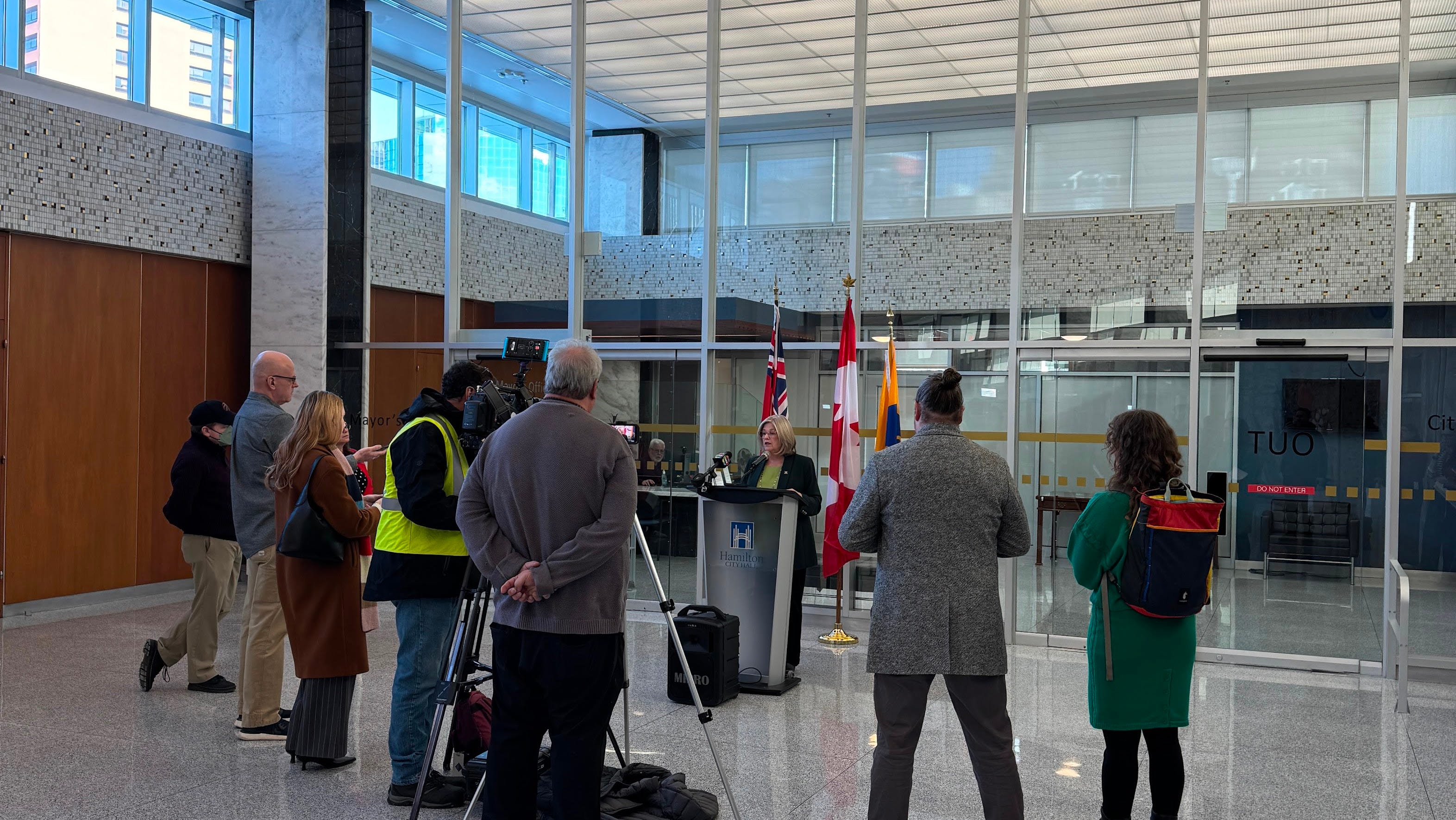
The Mayor’s budget is out. Unfortunately, what we were promised and what we got are very far apart. There are two key issues. The first is process. The second is content.
I want to provide everyone with my views on both, but first some context. On July 1, 2023, under the Province’s new Strong Mayor Powers, mayors across the province were mandated to implement a new process through which the Mayor sets the tone for the budget, directs staff on what should and should not be included and, like this year, is permitted to set a target for staff to hit.
Council has been through two budget cycles now using this process. It’s fair to say that many Councillors were unhappy with how the process was implemented. Many offered suggestions as to how to make the process better for all involved, including the public. The Mayor promised to make the necessary changes, ensuring Council and the public would have a better budget process this year. In my opinion, and in the opinion of a two thirds majority of Council at the January 23 budget meeting, the Mayor did not deliver.
The 2026 budget process has been rushed, top down, and arbitrary. This has resulted in a lack of consultation with Councillors, ignoring the needs of Boards and Agencies, and setting an unfair expectation that City staff work around the clock to meet the Mayor’s late timelines.
Residents are tuning in and expressing frustration to me and other members of Council. They’re concerned about the cuts they’re seeing to the services they depend on, disappointed the budget process isn’t clear and transparent, and confused about how the new Strong Mayor Powers apply. In response, I want to address the concerns I’m hearing from residents.
What role does the Mayor play in the budget?
It’s called the “Mayor’s Budget” for a reason. As I mentioned, the Province changed the budgeting requirements for municipalities with Strong Mayor Powers on July 1, 2023.
The legislation requires mayors to put forward a Mayoral Directive. The Mayor is required to present her final budget and sign off on it before it’s reviewed by Council over a 30 day period. The clock started ticking for Council on Tuesday, January 20 when the Mayor made her budget public, despite all of the documents not being ready until Friday of that week.
This year, unlike last year, the Mayor decided to choose a specific target of 4.25%. As a result, the budget has gone through two rounds of cuts by City staff bringing it first to 5.5% in December 2025 and now to 4.25%.
The Mayor issued this target through a Mayoral Directive, on October 7, 2025, in which she told staff to “hold the line” at 4.25%. Despite the Mayor’s claims this was based on a thorough analysis, no one has ever seen it, and it wasn’t presented to Council or the public during its development process.
This was in complete contrast to how the Mayor introduced her budget last year. In 2025, she did not put forward a specific target number, but asked staff to budget based on the City’s needs. In fact, she went as far as to say that using a “specific” target -
“… risks underfunding critical programs and infrastructure, and which results in significant deficiencies for Hamiltonians and inflated costs over time …”
I agreed with her assessment and I said so at the time. While I have no insight into why the Mayor did an about face on this principle, looking at past election year budgets, it follows an irresponsible pattern of keeping taxes artificially low in the face of increased needs for service. What that ends up doing is delaying investments that are required now and kicking the can down the road for a future Council to fund expenses. At this past Friday’s budget meeting, a leading Canadian economist told Council that artificially low targets risk putting the City’s future budgets at risk.
In stark contrast, Burlington’s Mayor, Marianne Meed Ward, used the same Strong Mayor Powers to deliver her 2025 Directive on July 15, 2025 and, importantly, brought it to Council for approval. That did not happen in Hamilton.
All of this has led to a divided Council forced to scramble as the Mayor makes last minute unilateral decisions. The first time Councillors had even seen a detailed list of the changes made to the budget as a result of her Directive was literally the morning of the budget meeting on Friday, January 23.
This didn’t need to be so rushed. Once the Mayor made her cuts, she could have met with Councillors to discuss the impacts, ward by ward, and citywide. She had until February 1 to do so and decided, instead, to hold a budget presser and drop the budget on January 20 without letting any members of Council know, including the Budget Chair and Vice Chair.
The Mayor has spent this term of Council talking about collaboration and respect. As I said at Council last week, this process has been nothing of the sort. Leadership means working with your colleagues, even when you don’t agree with them. Hamiltonians deserve better. I’ll be spending the rest of this budget process working with my Council colleagues to ensure we don’t erode critically important public services.
What role does Council play in the budget?
Council’s job is to review the budget closely and come to budget meetings prepared to offer up changes in the form of amendments. If a Councillor feels there’s too much spending on a particular program or project, they can move an amending motion to reduce it. On the flip side, if a Councillor feels something is missing or has been underfunded, they can ask for an increase. In essence, Councillors can sweat the details, do the work, and ensure the changes they want to see are implemented by working with City staff - all within a 30 day window.
That job has changed since the Province introduced Strong Mayor Powers, and some Councillors can’t let that go. In the past, the task was much more passive. Council would wait for the budget to be plunked in front of them, delivered through endless presentations, and then, if they didn’t like the looks of things just vote “no” to the entire budget without offering up a single amendment to change it. It was much easier, but also potentially much more harmful.
It’s how we ended up with a 0.8% residential tax increase in 2011 and 0.9% in 2012, with the unfunded costs being kicked down the road to future years. This might have been popular with residents who may not have understood the implications for them, or future residents.
Think of 2011, for example, as a snowball starting at the top of a snow covered hill, getting bigger and bigger as it reaches the bottom. The bottom of that hill was this term of Council, in case you were wondering why taxes have increased so much. We have been investing because past Councils did not. Our roads are not in bad shape because this Council doesn’t care, it’s because past Councils put off road repair and maintenance, meaning that our roads now require huge investments just to remain safe.
During this past Friday’s budget meeting, I spent some time talking about this impact. I asked one of the country’s leading economists what the impact was of keeping taxes artificially low, year after year as past Councils have done. He was clear - it would create a future deficit. Those future deficits are here, now, because of the decisions previous Councils made.
From 2011 to 2022 City Council voted to keep taxes lower than national inflation 6 times. Some complain this Council has spent too much, but I think it’s important to understand how we got here. Fiscal responsibility isn’t just about popular tax cuts, but about budgeting responsibly, every year, to protect all residents, now and in the future.
How can we do better?
We need a clearer and better process. There’s no reason the budget needs to be so complicated. There’s a way to make it easier for the public to understand and we have to take that seriously. While City staff have made some serious and important improvements this term of Council, it needs to be a priority for the Mayor. We need someone leading this process who will focus on the details that lead to transformative change.
We need a Mayor who’s willing to be collaborative. If Burlington’s Mayor can bring Council into the process very early on, why can’t ours? At this past Friday’s meeting the Mayor said that collaboration was a two way street and her door was always open. To be very blunt, that hasn’t been my experience at all. I’ve spent this term trying to work with the Mayor, from day one. I enthusiastically showed up, very early in the term, with a concrete list of suggestions for motions we could collaborate on, hoping to work with someone I wrongly perceived might be aligned with me on a number of shared goals, only to have my suggestions openly ignored, not followed up on, and even actively opposed.
This happened, year after year, without the courtesy of a conversation, advance notice of decisions, or a willingness to work on a compromise.
If we’re going to be successful as a Council, we’re going to need a Mayor who knows how to build good working relationships with a majority of their colleagues.
We also need a public that feels engaged and is given the opportunity to fully participate in shaping the budget. This year, for the first time, the Mayor hosted a series of public engagement sessions - a good start. The problem is they were announced with very little notice and were very poorly attended. At some of the meetings, there were more City staff in the room than there were residents. We need a much better planned and executed public engagement process.
We also need to implement equity based budgeting, something Council has been asking for since the first day of this term but the Mayor has failed to include it in this year’s Directive. A budget without an eye to the impact of the changes proposed, fails everyone its intended to help. Equity based budgeting ensures that when difficult decisions are made, we must think through the impacts carefully.
This kind of budgeting has profound impacts on the downtown core where many equity seeking groups, including seniors, children, and people with disabilities, need better facilities and infrastructure.
For my part, during this budget process and for the rest of this term, I will keep putting motions and amendments on the table in the best interests of all members of our community. I’m determined to ensure we improve how Hamilton budgets for the present and for the future.
Working Through Our City’s Challenges Together
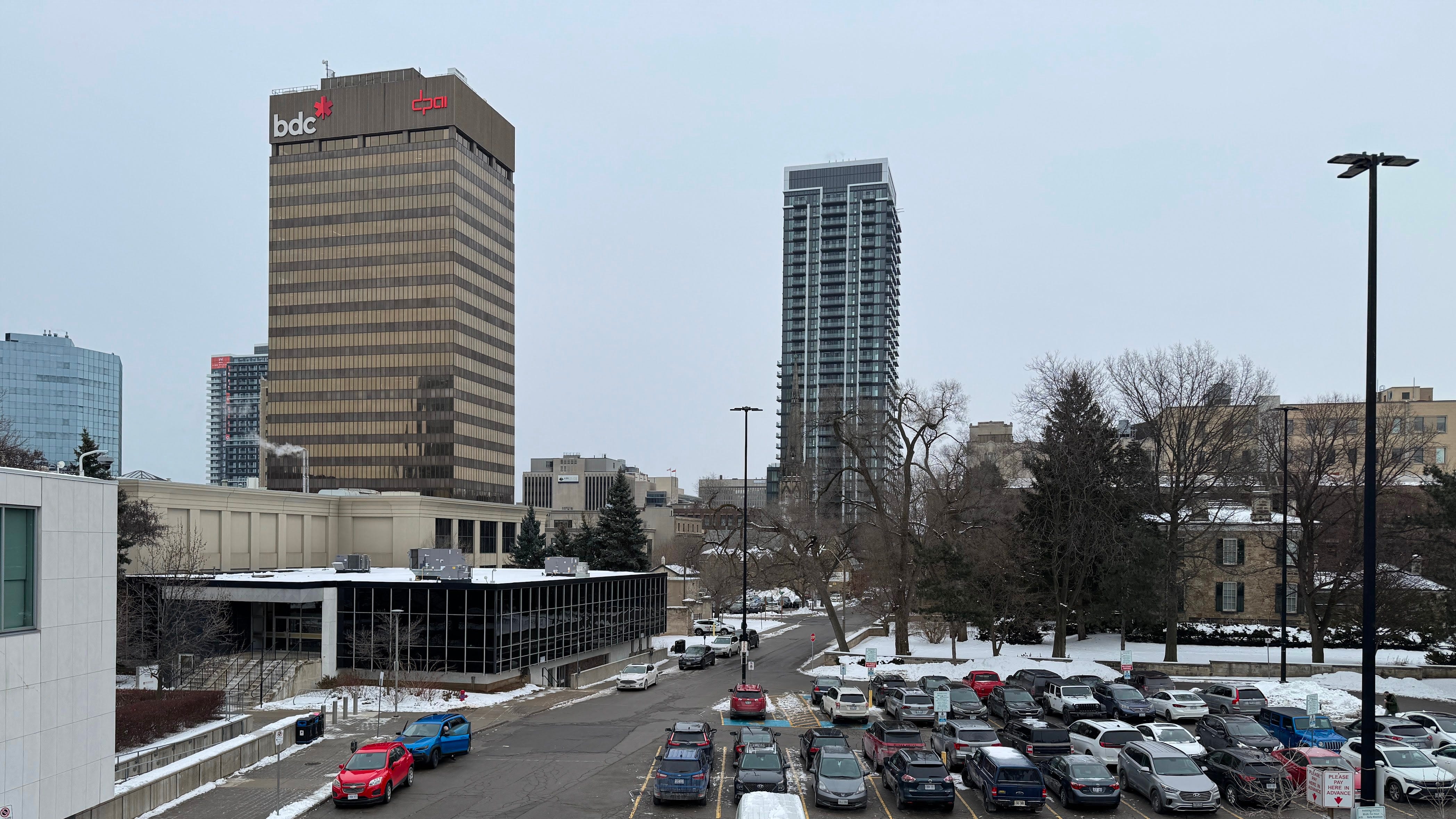
It’s been a really difficult winter for Ward 2 residents who’ve been deprived of housing. The cold weather, snow dumps, slippery sidewalks, and slushy roads are having an impact on everyone, but especially on those who have nowhere to shelter from these harsh conditions.
I see those impacts every single day on my walks to work at City Hall and to community meetings and events across Ward 2.
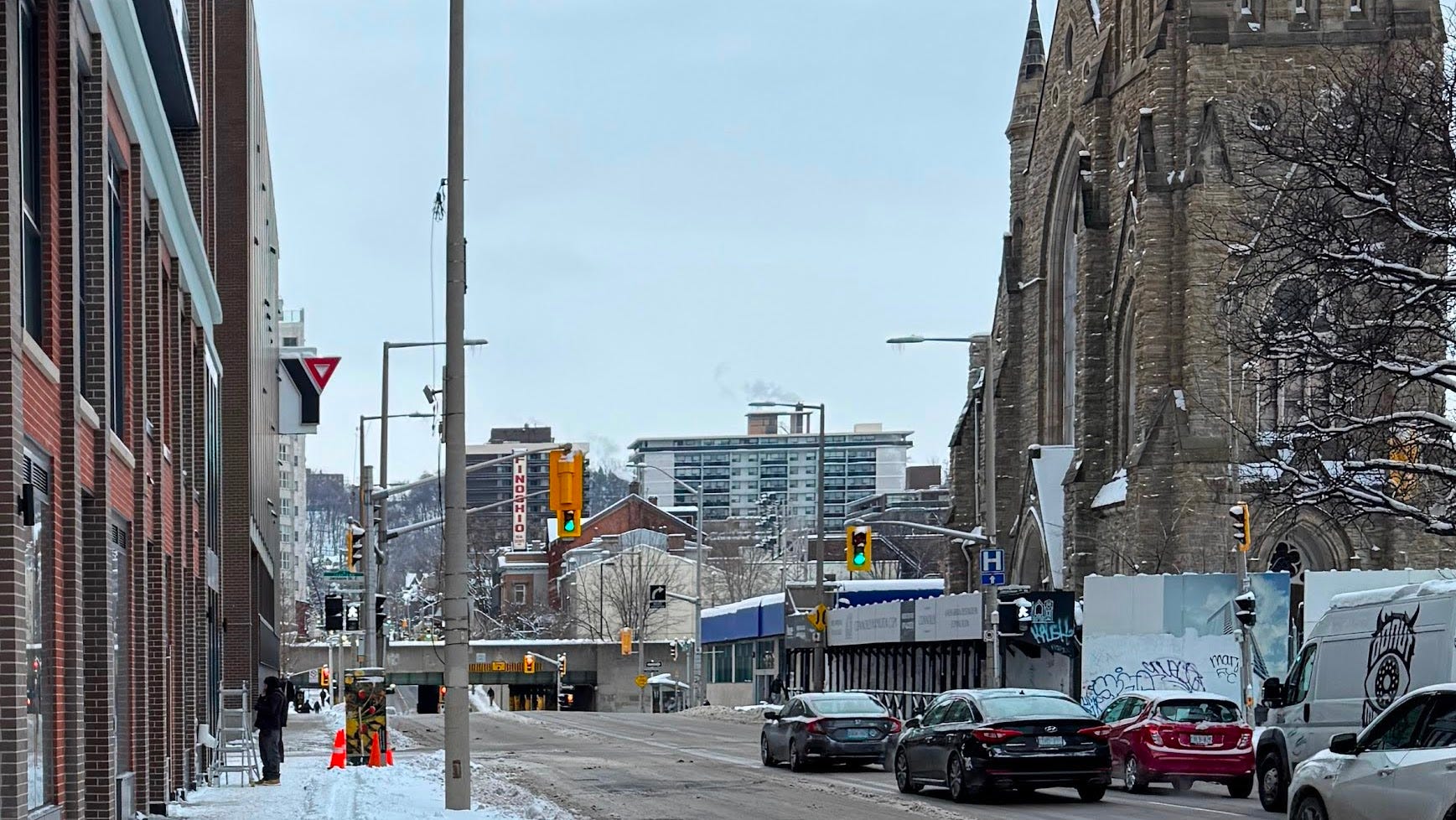
This means I’m often walking through the intersection of Jackson Street West or MacNab Street South, an area where people have been congregating to survive outdoors. I see their struggles and I’ve spoken to them about their challenges. They’re at serious risk of harm.
I’m also hearing from those who are trying to access services in and around the YWCA, exit and enter buildings and businesses nearby, and use our adjacent sidewalks and roads. I continue to receive questions about what the City’s doing.
While we wait for a report that’s due to come to the Downtown Sub-Committee in February, I thought I’d let you know about the kinds of things I’ve been doing in my role as Councillor.
I don’t think it makes sense to rehash what’s led us here or how other levels of government are failing us, including our own municipal Council at times - I’ve spoken to those issues at length in previous editions of this newsletter, and in the local paper.
Since I was sworn into office I’ve been meeting with City Managers to discuss this specific area. I’ve asked, repeatedly, for solutions to help people and to offer supports to meaningfully and sustainably improve things. What I’ve heard back, to date, is that the City is working toward solutions but we’re not there.
To be honest, I haven’t found this to be a very satisfying response, though I do appreciate that it’s difficult to make progress. That being said, I was provided with a few solutions and I’ve acted on them, in an effort to help everyone in our community.
Committing Funding to Help Create Spaces to Alleviate Pressure
In December 2024, I committed $332,000 in funding to help alleviate some of the pressure around the YWCA’s building on MacNab Street South.
The purpose of doing this was not only to help with urgent roof repairs for the seniors’ centre, but to help with storage solutions for people’s belongings and to create “a safe and dignified outdoor sitting area” so clients of the YWCA can enjoy the outdoors.
The goal of this space is to help alleviate some of the concentration of folks forced to live on the sidewalk. There is the potential, down the road, to support other repairs at the YWCA that may open up rooftop space so those who use Carol Anne’s Place can have access to the outdoors without having to go out onto MacNab Street South.
Asking for Help from the Experts - YWCA and MESC
In addition to my meetings with the City Manager and senior City staff, I’ve also taken time to meet with the YWCA and a group of shelter providers called the Men’s Emergency Services Committee (MESC).
The purpose of these meetings was to ask these experts how they might solve the problems we’re facing in this area. Usually, not for profit organizations are asked to apply for narrowly defined grant funding. They’re not always asked, as a group, what they need and how the City might be able to help. That was the aim of my meetings.
I met with the YWCA first. They outlined the challenges in this area. They also proposed some solutions and are working with City staff to see if it’s possible to find funding for them. I’m hopeful we’ll see these come into effect in the coming months and years.
Last week, I also met with the MESC. I asked them if they could outline the challenges they see in this area, and others like outside the Central Branch of the Hamilton Public Library, and propose some solutions. I’ll attend their March meeting, where I hope I’ll be able to move the discussion forward and understand how the City can offer support to fulfill any of their recommendations.
In addition to these meetings, the City, and myself, in collaboration with the Hamilton Fire Department, Hamilton Police Service, and Hamilton Paramedic Service met last year to discuss reopening the MacNab Street Tunnel. That conversation made it clear that reopening the tunnel must be done in coordination with helping folks forced to live outside near Whitehern.
This means we will not have a date to reopen the tunnel in the short term, unfortunately.
I’m committed to continuing to work on solutions to the problems in front of us, especially in areas where people have been forced to concentrate in larger numbers in order to survive without safe or adequate housing. This crisis was decades in the making, so I don’t expect we’ll resolve things in the short term. I’ll keep everyone posted about progress here, and across Ward 2, when I know more.
City Council Summary - January 21, 2026
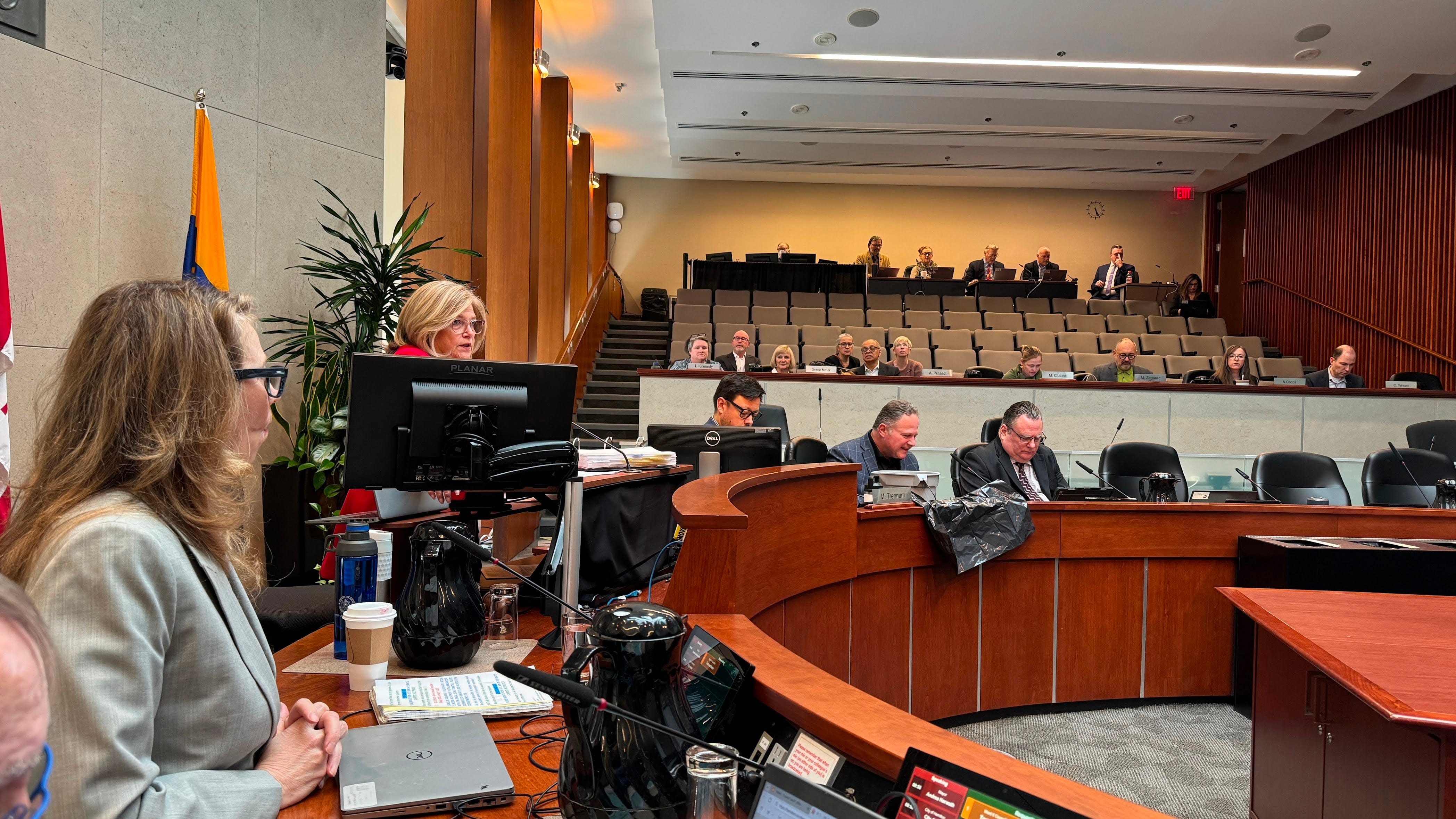
The Council decisions on January 21 included the introduction of an Interim Secondary Plan Fee and a report back on the collapse of the Gore Park buildings.
Introduction of an Interim Secondary Plan Fee
Planning Committee - January 13, 2026
City Council - January 21, 2026
In response to the Ford Government’s destructive plan to take a bite out of Hamilton’s greenbelt lands, the City has been scrambling to cover the cost impacts. One of those costs relates to the work staff would have to do if someone came forward and asked for a new plan (called a Secondary Plan) to establish housing in the new urban boundary (the one Ford created and Council pushed back on). It costs nearly $250,000 to process some of these plans (for properties of 500 hectares or more, like the current plan for Elfrida). Rightly, City staff said it wasn’t ok to take on these costs without trying to recover them from developers through an interim fee. Many cities use a “cost recovery” model like this - it ensures we’re not making a profit, but that we’re also not adding costs to the tax levy. When we add costs like this to the levy, residents pay for them, instead of the developers who will profit from building this sprawl housing. Unfortunately, a group of Councillors, half of Council to be exact, decided to go against staff advice, add this bill to the tax levy, and subsidize developers, especially those who are trying to build on our precious farmland. It’s disappointing, since this term of Council started off with a majority of Council standing up in opposition to Ford’s attempt to come after our important food and farmlands. I supported the staff recommendation, but as a result of the way Council works, this issue died on a tie and the costs will be passed on to residents. It can be revived in the next term of Council, but it’s been decided until November 2026, at the least.
How did Council vote on implementing the interim fee?
In favour (8) - Cassar, Horwath, Hwang, Kroetsch (seconder), Nann, Tadeson, A. Wilson (mover), M. Wilson
Against (8) - Beattie, Clark, Cooper, Francis, Jackson, McMeekin, Pauls, Spadafora
Collapse of the Gore Park buildings
General Issues Committee - January 14, 2026
City Council - January 21, 2026
Last year, Council approved a motion by the Mayor and Councillor Nann in response not only to the collapse of heritage buildings in Gore Park but also to deteriorating vacant buildings across the City. A report on what the City will do to address this came forward earlier this month. In short, the report recommended enhanced communication; improvements to policies and procedures; investment in staff training; and modernizing database systems.
From my perspective, the report didn’t go far enough. The community is asking for the City to be more accountable, so I’ve asked for a meeting with City staff to work on a motion to consider either hiring a qualified heritage engineer at the City or working with someone, similarly qualified, in a consulting role. The City needs to step up to address these issues more proactively and I’m committed, as Council’s representative on the Hamilton Municipal Heritage Committee, to following this through so we can see improvements and restore the public’s trust.
How did the General Issues Committee vote on receiving the report about the collapse of the Gore Park buildings?
In favour (13) - Beattie, Cassar, Clark, Cooper, Hwang, Jackson, Kroetsch (mover), Nann (seconder), Pauls, Spadafora, Tadeson, A. Wilson, M. Wilson
Upcoming Meetings and Events
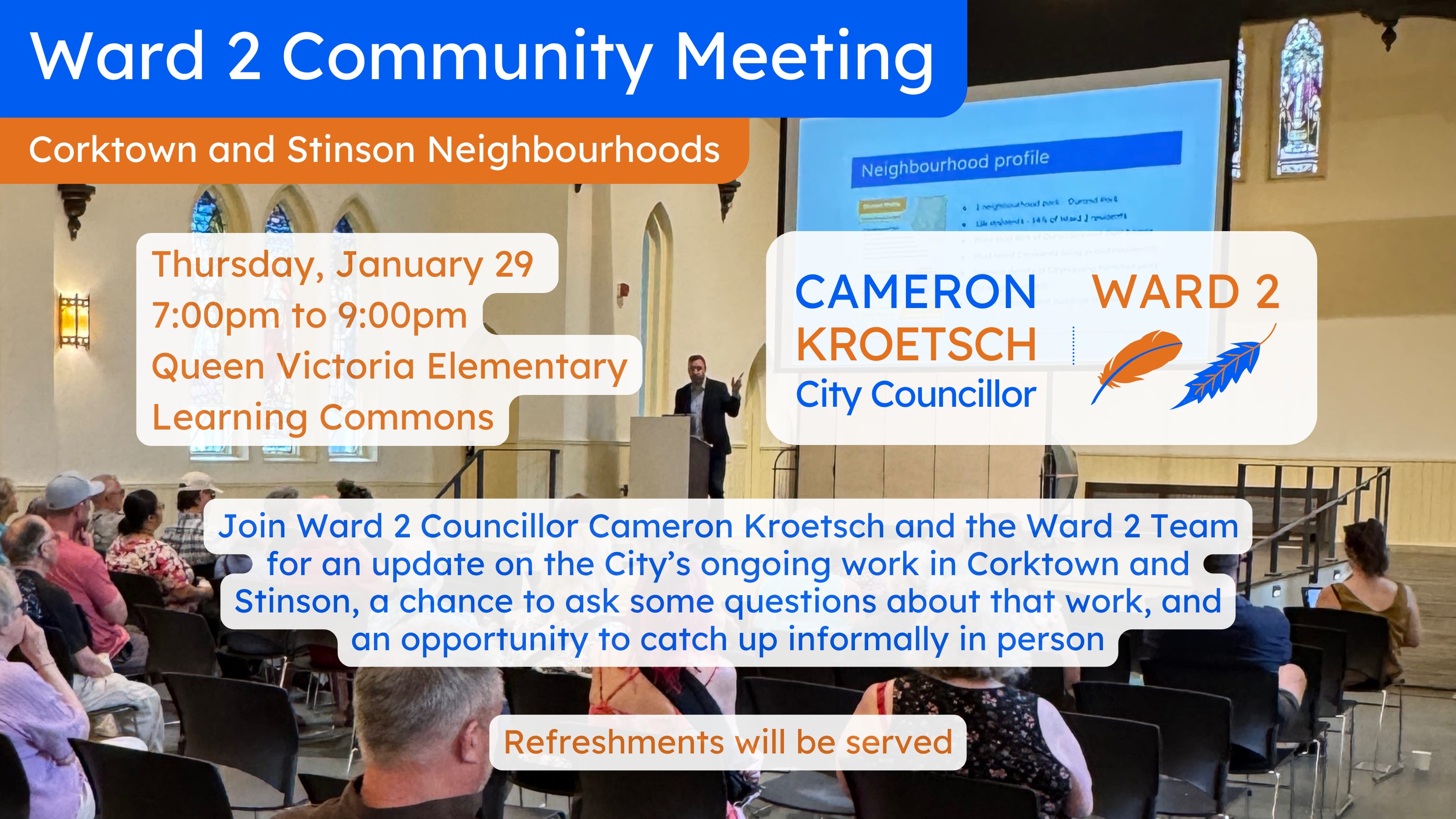
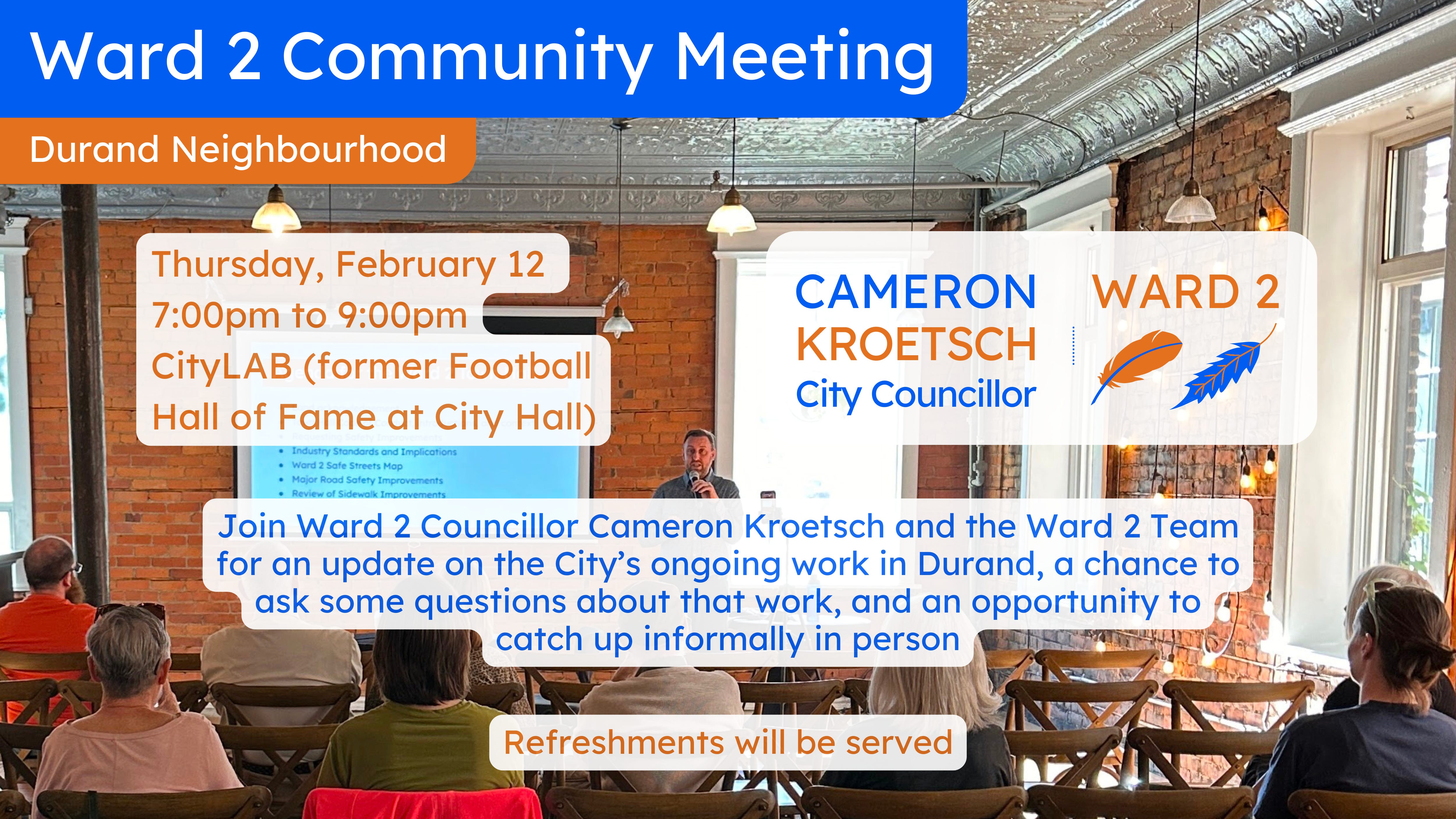
This section lists upcoming Ward 2 public meetings including town halls happening over the next few months. Some of this information may change closer to the meeting dates, including times and locations.
To read Committee and Council Agendas and Meeting Notices, please subscribe to updates directly through the City’s website or visit the City’s Committee Calendar.
For more on what’s happening in the downtown community, check out event listings from The Vibe Hamilton, Hamilton City Magazine’s regular events listing, and the Ward 2 website’s Community Meetings page.